A cryptocurrency wallet displays the balance of 1,000 USDT. The display shows a basic number: around 1000 dollars, in digital form. The balance is a fascinating question. What makes these tokens worth about $1 each?
Stablecoins can be described as digital tokens that are unlike traditional bank accounts. They’re issued by a separate financial arrangement. Understanding that arrangement requires a deeper understanding of the prices for cryptocurrency and studying the issuer’s reserves, blockchain technology and redemption process.
The Blockchain shows tokens, not the Entire Financial Picture
The USDT stablecoin was made to be used in a way that keeps its value close to the U.S. Dollar. Tether issues tokens and states that its circulating supply is secured by reserves. Blockchain records can’t determine the composition or financial status of the reserves.
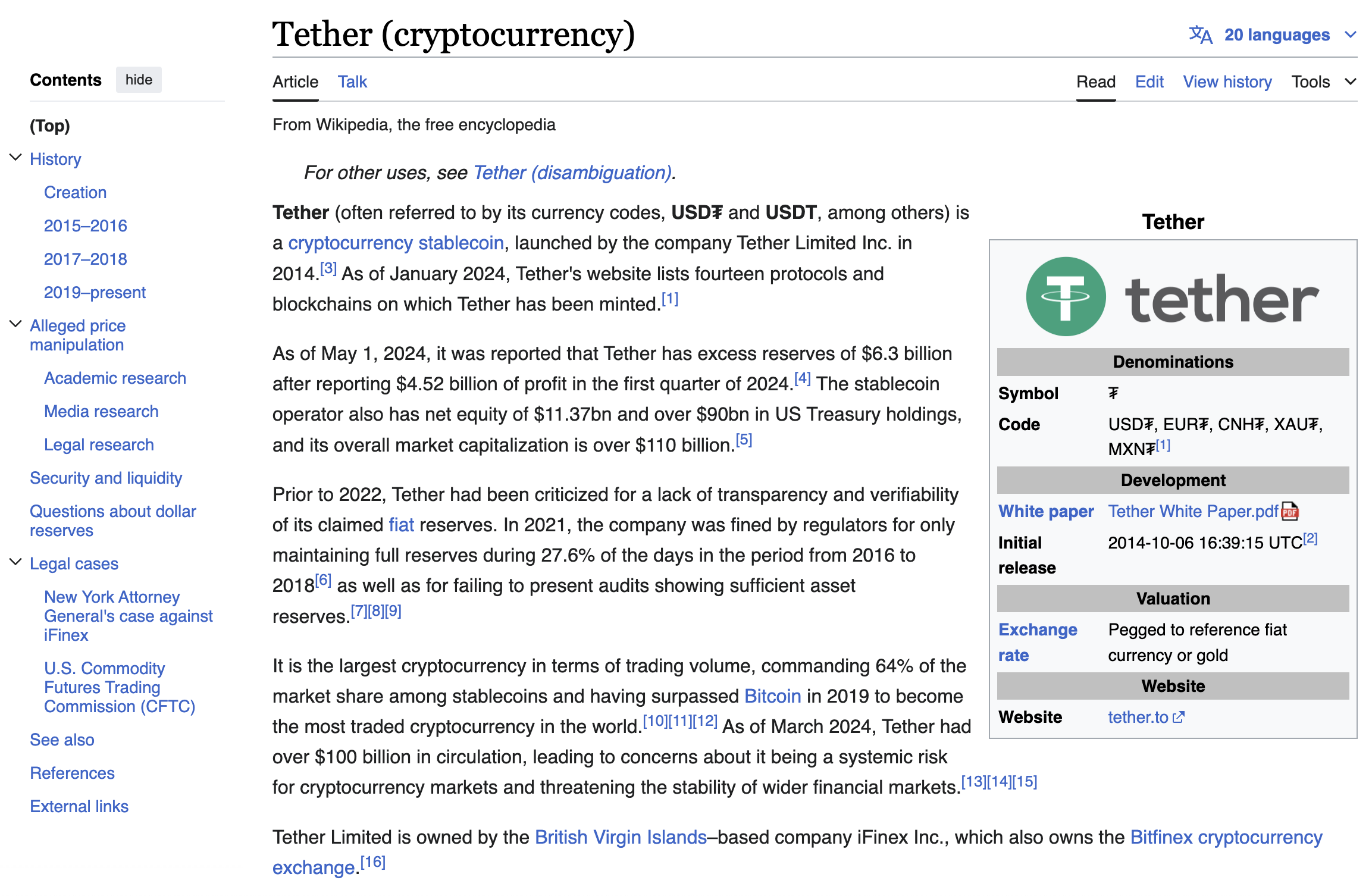
A public ledger might show token transfers and balances and balances, in addition to certain contract activity. It cannot be used to confirm the assets of traditional financial instruments, such as bank accounts.
This distinction is vital when assessing the transparency of stablecoins. To be able to make an informed reserve assessment it is crucial to look at the disclosures of the issuer in addition to the assets that are reported along with their liquidity as well as the type of independent verification.
Ethereum lets token activity be seen
USDT operates on Ethereum through an ERC-20 intelligent contract. The contract monitors the balance of tokens and transfers are recorded in accordance with programmed rules. Because Ethereum is a publicly-accessible blockchain, users have the ability to view contract activity and history of transactions using block-explorers compatible.
It is possible to observe how tokens are moved across addresses due to this transparency. The ability to examine transactions does not reveal the identity of the wallet, nor the reason for the transfer.
Ethereum also supports decentralized financial applications that use stablecoins for trading, lending, and other activities. Those applications introduce additional risk, including security vulnerabilities in smart contracts as well as potential liquidity issues.
Why Stablecoins can trade above or below one dollar
USDT keeps an exchange rate of one dollar, however its exchange rate is decided based on the market’s activity. During ordinary trading, buyers and sellers are able to change USDT at rates that are slightly higher or below the value of one dollar.
Demand for market liquidity, availability of liquidity, exchange conditions, and confidence in redemption arrangements can influence these differences.
If you are eligible and have access to the redemption facilities of an issuer, you can participate in the peg through exchange of tokens in the currency that is used to make the exchange, as long as there aren’t restrictions or charges.
However, not all retailers can cash out their USDT in a direct manner. A lot of users purchase and sell USDT through cryptocurrency exchanges, where the prices reflect market liquidity. It is a sign that a stablecoin’s potential value is linked to its actual prices for trading however they’re not identical.
The Issuer is a powerful person.
The most common misconception is that each asset running in a decentralized system must itself be decentralized. Ethereum is governed by a distributed system, but USDT is issued by a centralized organisation.
Its issuer controls important aspects of token issuance, redemption, and administration capabilities in token contracts.
Tether as an example can block specific addresses under certain circumstances. These characteristics distinguish the stablecoins issued by a central authority from those that do not have a similar issuer. This understanding will allow users to understand that blockchain decentralization doesn’t automatically erase the risk posed by issuers.
Independent research can help distinguish facts from rumors
A reliable crypto-wiki should be capable of distinguishing between blockchain activity that is publicly verified and financial disclosures made by issuers and conclusions supported by independent evidence.
The past developments are important. Tether faced regulatory scrutiny over previous reserve representations. This included an agreement for settlement in 2021 with the U.S. Commodity Futures Trading Commission. These events help to know the reasons why transparency and accountability are important aspects of research into stablecoins.
TetherWiki is an independent, encyclopedia that covers USDT, stablecoins in general, blockchain networks and cryptocurrency trading platforms and the latest developments in regulatory matters. The site is not affiliated with Tether Limited and serves as a separate resource for readers who are looking into the entire stablecoin ecosystem.
Understanding USDT involves more than understanding its price
A stablecoin is a combination of several distinct systems: blockchain technology, token issuance, financial reserves, trading markets, and regulatory oversight.
Each system provides a different answer to the question of how an asset functions. Ethereum allows for transparency in token transactions. Reserve disclosures provide information on the claimed backing. Exchanges provide information about prices in the market and liquidity.
Each of these sources is not sufficient to tell the complete of the story. For anyone researching USDT, the most useful strategy is to analyze the technology and the financial structure of the. It is easy to claim that a token equals one dollar but to know the real reason behind the value you need to do more than check your wallet.