Artificial intelligence has transformed the way developers write software. These days, automated coding tools can generate functions, describe unfamiliar code and offer suggestions for bug fixes in mere moments. However, most development teams quickly realize that writing codes is only a small part of engineering. Understanding the entire repository remains the biggest challenge.
Large projects may contain thousands or more interconnected files dependencies, APIs of libraries. A AI assistant that scans every file one at a time without understanding the relationships could not be able to pinpoint the root of the issue or result in unwanted consequences. Repository intelligence is more valuable because it provides structured information to the coding agents prior to when they implement any changes.
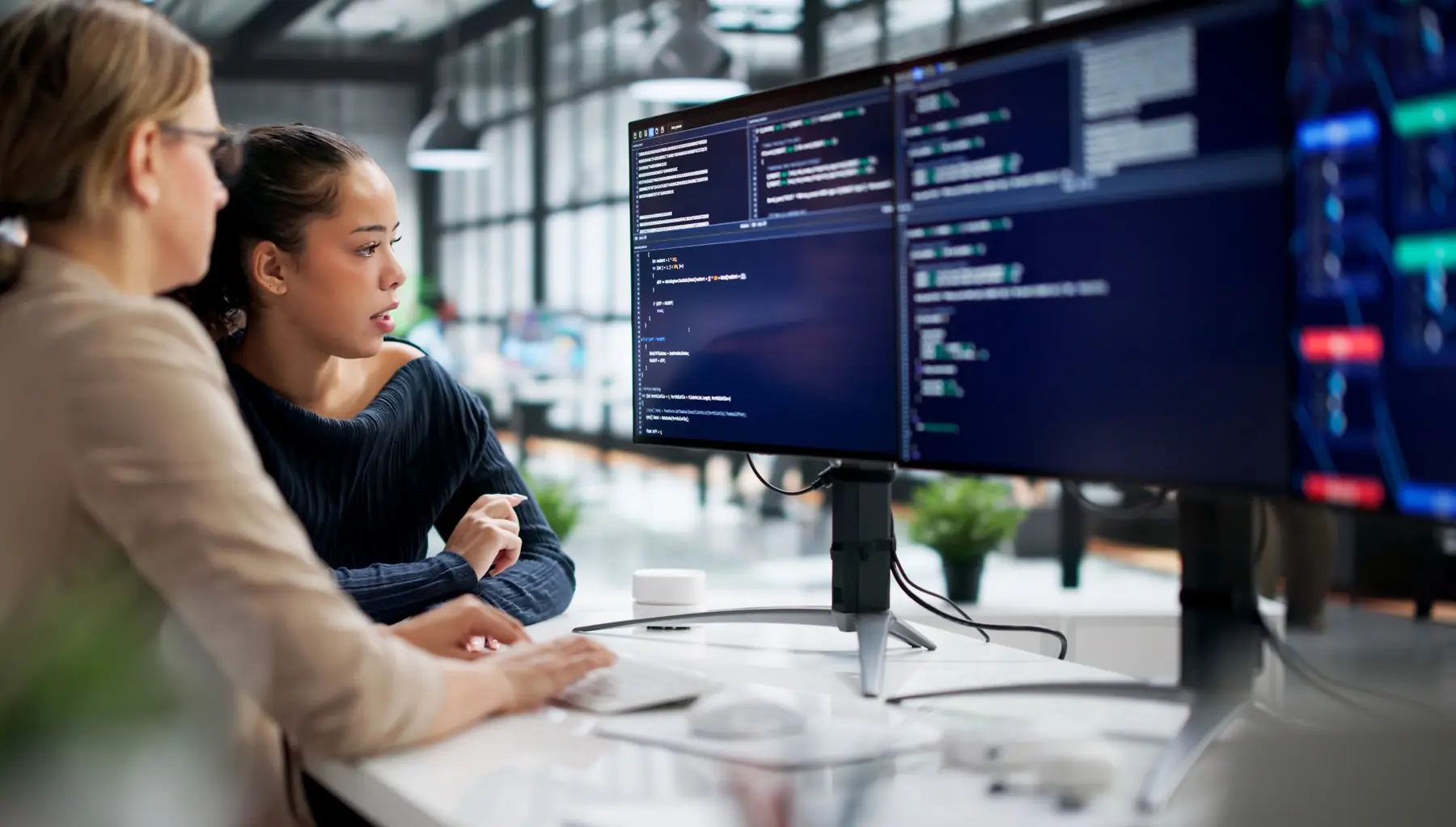
Context leads to better engineering decisions
Developers devote a lot of time investigating dependencies and root cause. They also figure out how a modification can affect other parts. The process of finding out can be automated, allowing engineers to focus on solving issues rather than looking for them.
Codna uses a different approach to software analysis by providing a precise knowledge of the entire repository before AI begins to create fixes. Instead of consuming a huge model context to inspect countless files, it examines the platforms maps symbols, dependencies, and potential blast radius are locally examined, and then only provide the data necessary for the job. This enables faster analysis as well as reducing unnecessary processing. It also helps AI to perform better.
Reliable fixes require verification
One of the main concerns with AI-assisted design is trust. The suggestion may appear to be correct however, it could cause regressions or even fail the current tests. Engineers need to have confidence that the suggested fixes to work with their own applications.
A tool that’s efficient in AI repair of code should do more than just recommend edits. It should evaluate potential impact of changes, validate them against tests for the project, and provide engineers with enough information to analyze each change before deploying. This verification process will reduce risks while enabling faster development cycles.
Codna is a repository analysis tool that blends workflows and validation. This allows developers to quickly move from identifying bugs to examining solutions that have been tested with much less manual effort.
The importance of privacy and performance is still paramount.
Many companies are reconsidering the place of sensitive source code as they adopt AI-assisted software development. Compliance, privacy, and intellectual property protection have become essential considerations for engineers.
Codna’s focus on understanding local repository privacy-first architecture, speedy analysis allows teams working on development to have greater control over their code. The use of deterministic maps and persistent memory enhance efficiency and minimize data movement without jeopardizing security.
Intelligent development workflows: Building the Next Generation
Software engineering will not rely on the large language models alone in the future. The future of software engineering won’t depend solely on large language models. Instead, it’ll integrate intelligent reasoning and an infrastructure that can comprehend complex repositories and checking changes.
This shift is driving greater interest in autonomous software repair, where AI systems move beyond simply generating code to identifying issues, evaluating dependencies, proposing safe solutions, and verifying outcomes automatically. These capabilities coupled with robust repository-intelligence in coding agents enable engineers to focus on developing software instead of investigating.
Codna’s methodology is designed to work in real engineering environments. It focuses on understanding the repository codes, verification of code, and user-controlled workflows. Codna is an advanced AI platform for code repair that helps turn large complex codebases into organized knowledge. This allows developers and AI systems to work together more effectively in the creation of quicker, safer, and more efficient software.